
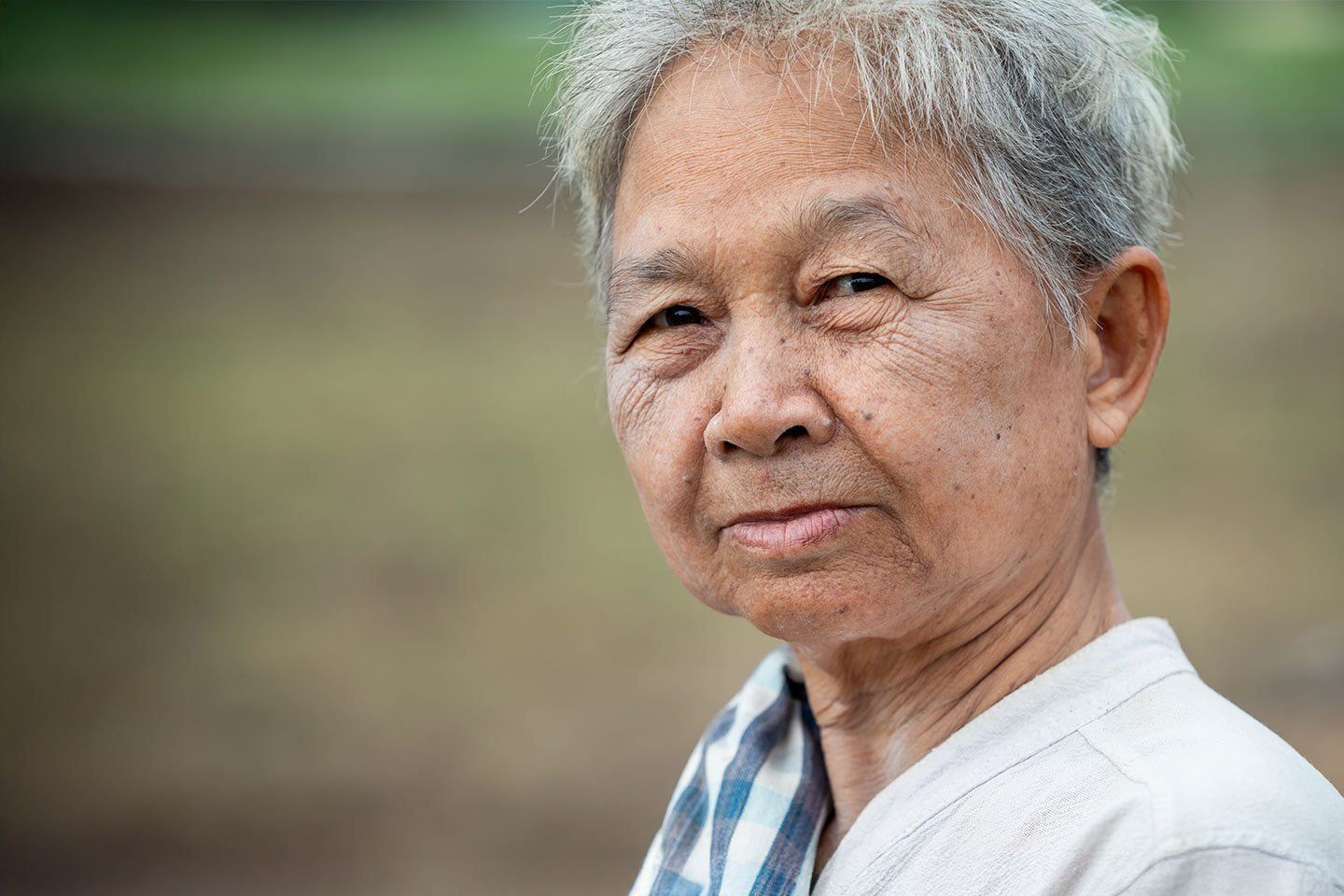
While ‘respect’ means different things to different people, many of us would agree that being respected is about being valued and seen.
Top 3 messages about older women and respect:
Respect is important to older women, but they are not always comfortable with talking about it.
Initiatives that promote respect for older women rarely talk to older women about respect.
The Biscuit Tin project documents older women’s ideas on how two-way respect can be shown in families.
Promoting respect for women in their families is a priority in Australia. This is not surprising, with 1 in 4 women having experienced violence from an intimate partner since the age of 15. The problem of gender-based violence has led to policy, research and the roll-out of innovative campaigns on respect in schools, entertainment venues, sporting clubs, the workplace, health services and media.
These innovations are critical – but they have failed to include older women, who are at risk of violence and abuse from intimate partners, as well as adult children, grandchildren and other family members.
In this article, we explore an innovative approach to promoting respect for older women, particularly in families.
The Biscuit Tin project
The Biscuit Tin project interviews older women to document their experiences of respect. Participants discuss their experiences of respect, share family recipes and have photo portraits taken with their biscuit tins.
The project found challenges in opening conversations with older women about respect. This led to powerful understandings about why respect matters to older women and how it can be promoted.
This article shares key insights from the project, including:
respect as a stigmatised word for some older women
what respect means to older women
how conversations about respect in families can be supported.
Respect as a stigmatised word
While ‘respect’ means different things to different people, many of us would agree that being respected is about being valued and seen. The Australian Human Rights Commission succinctly describes respect as the cornerstone of human rights.
Many people believe respect is a birthright, or entitlement, but in the Biscuit Tin project, we have persistently encountered older women who are uncomfortable with the term. Some older women share stories of being respected but attribute the actions to a range of factors other than respect. We have also found some older women will not talk about respect without first providing a caveat that they are not experiencing disrespect, abuse or violence.
To explore these patterns, we asked a small group of older women to help us identify whether we needed to replace the term ‘respect’ with something more relatable, or whether we need to identify the causes of discomfort and work with it. They urged us to persist in opening conversations with older women about respect – and to understand the drivers of older women’s discomfort and hesitancy.
Why some older women struggle to talk about respect
The reluctance to talk about respect was presented as a possible legacy of:
historical gender inequalities that have silenced older women
contemporary ageist/sexist exclusion that silences older women
older women holding themselves personally responsible for family difficulties
older women seeing raising their family as their greatest achievement – and wanting to believe family are respectful, even when they are not
older women having few options other than to put up with the family circumstances
older women being unaware of the services that can support them
older women having had a lifetime of self-depreciation.
Several older women recounted difficulty focusing on the lack of respect in family relationships when they are immersed in the relationships and feel overwhelmed, disempowered, culturally coerced or constrained.
Without adequate supports to liberate them from the difficulties they are experiencing, some older women reported adopting a positivity bias or shutting out their experiences of disrespect, abuse or violence – to cope with the situation they are in, or out of fear.
Older women told us they wanted the project to communicate to older women that they have rights, including the right to be respected in their families. They urged us to take time to encourage conversations with older women. They also called for the development of resources to support older women to have conversations with their families about respect.
Talking respect in families
In response to this feedback, we worked with older women to develop Older Women Talking Respect in Families, a resource to prompt and guide conversations about respect for older women in families.
The older women told us the resource needed to have:
a clear statement about what respect is
some examples of how older women can show respect in their families
some examples of how families can show respect for older women.
They said that broadening the topic to reciprocal (two-way) respect would make it easier to open conversations with family. Some older women didn’t feel entitled to respect – they felt they could only talk about their own needs in the context of what they do for their families. The practical examples discussed and debated are summarised below.
How older women show respect in families
I listen to my family members and encourage them to speak.
I encourage family members to make their own decisions.
I thank family members for their time or assistance.
I respect family boundaries and encourage my family members to live their own lives.
I help to make sure everyone feels included at family events.
I offer family members encouragement and comfort in hard times.
I help keep family traditions alive and welcome new ones that add value to our family.
I make time for fun activities or just hanging out together.
I share my skills, experience and knowledge and enjoy helping family members when I can.
I share wisdom without being judgemental or critical.
How older women are shown respect in families
My family listens and encourages me to express my opinions, even when they are different to theirs.
My family offers advice in an unpatronising way, acknowledges my autonomy and does not criticise me.
My family encourages me to make my own decisions and respects my decisions once made.
My family tells me they appreciate what I do for them.
My family understands that I am active outside of the family and may not always be available at the last minute to help.
My family asks me about my life and are interested in what I am doing.
My family do their best to help me when I need something.
My family are not demanding of my time and support me to do the things I want to do.
My family includes me in social gatherings and other activities.
My family values my knowledge, skills, experience and asks me what I think.
My family does their best to help me if I need anything.
Conclusion: respect does matter
Some older women feel discomfort about the term ‘respect’, but that doesn’t mean respect is irrelevant to older women. The discomfort needs to be understood as a contemporary legacy of historical gender-based inequality and the silencing of older women.
Through the Biscuit Tin project, older women have taught us that respect does matter to them – and that we must find ways to open conversations about respect for older women in their families.
Am I safe and respected? quiz
This quiz will help you understand your personal situation by asking for your response to seven statements.
More information
About the Authors

Rochelle Beatty
The Biscuit Tin project
Rochelle Beatty is The Biscuit Tin Project Coordinator at Celebrate Ageing Ltd. The B...
Dr Catherine Barrett
Celebrate Ageing
Dr Catherine Barrett is the Founder and CEO of the charity Celebrate Ageing Ltd. Cele...
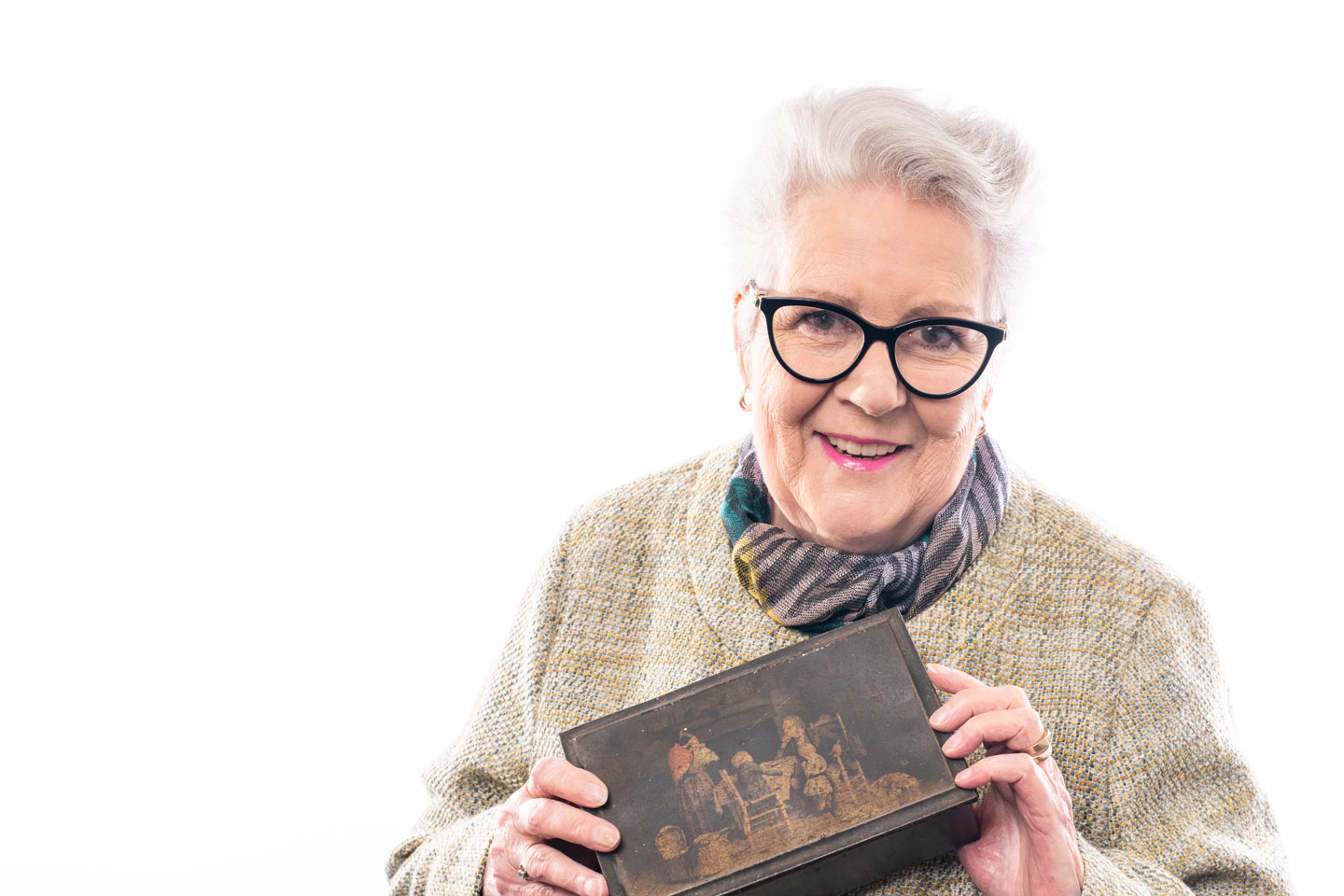
Jan Porter
Elder Rights Australia
Jan Porter is the President of Elder Rights Australia (ERA) and a member of the OPAN bo...
All comments are moderated. Please visit our terms of use for guidance on how to engage with our community.