
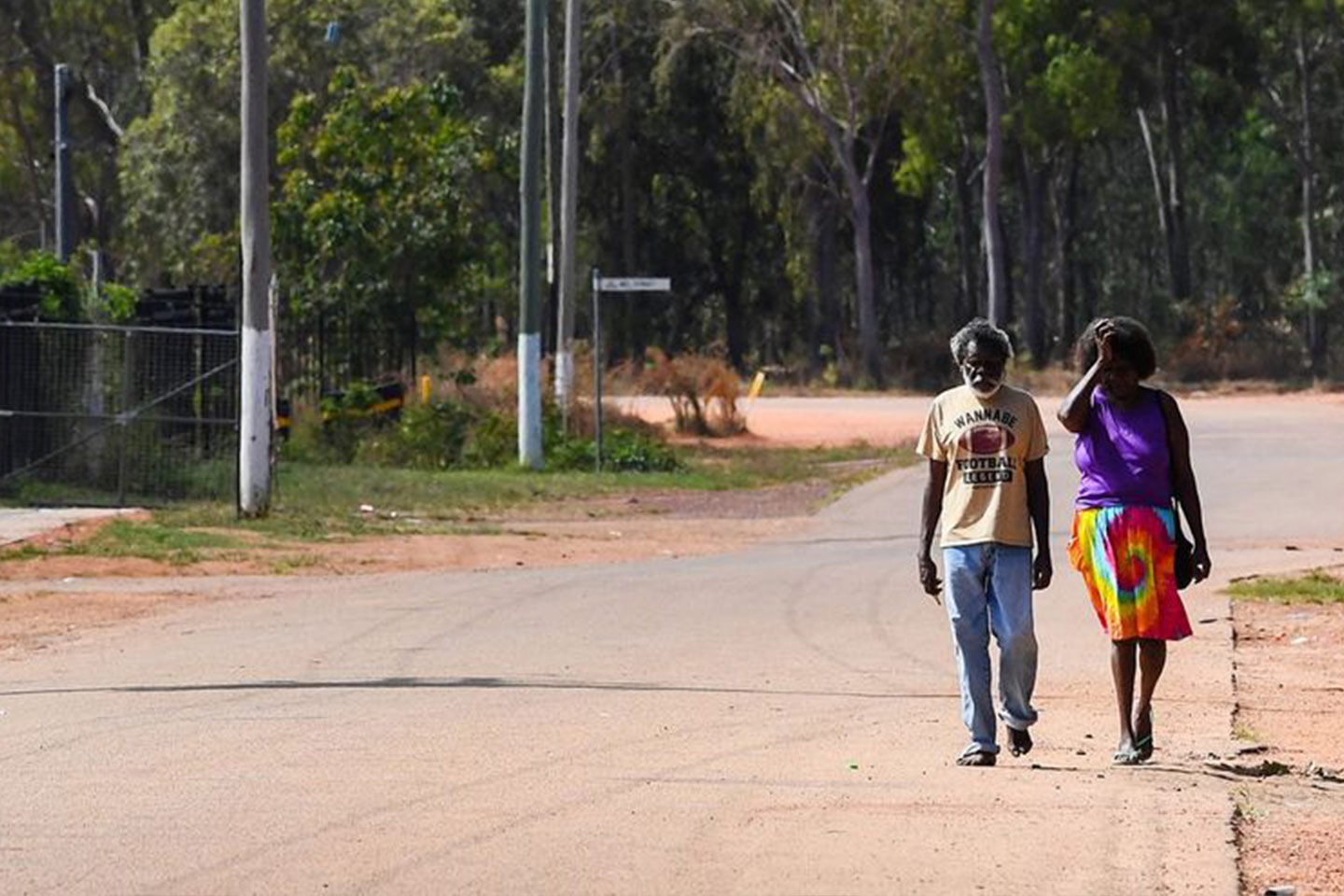
About 2500 Indigenous people are living with diagnosed dementia across Australia, and that number is projected to be 4.5 to 5.5 times higher by 2051, according to the ARC Centre for Excellence in Population Ageing Research.
While rates of dementia in remote communities are among the highest in the world, Indigenous people living in urban and regional areas aged 60 and over also experience the condition at a three times higher rate than the broader population.
First Nations people were also more likely to show signs of the condition earlier, Dementia Training Australia executive director Isabelle Meyer said.
"The really big risk factors are around things like diabetes, smoking, alcohol," she told AAP.
"There's also a significant, growing body of evidence that trauma is a major risk factor for developing dementia."
Particularly in remote communities, people were living with signs of dementia, but faced barriers to getting a diagnosis, Dr Meyer said.
"There's increased anxiety and fear about even seeking that in the first place because it often means travelling thousands of kilometres off Country to get those diagnostic tests done," she said.
All comments are moderated. Please visit our terms of use for guidance on how to engage with our community.