
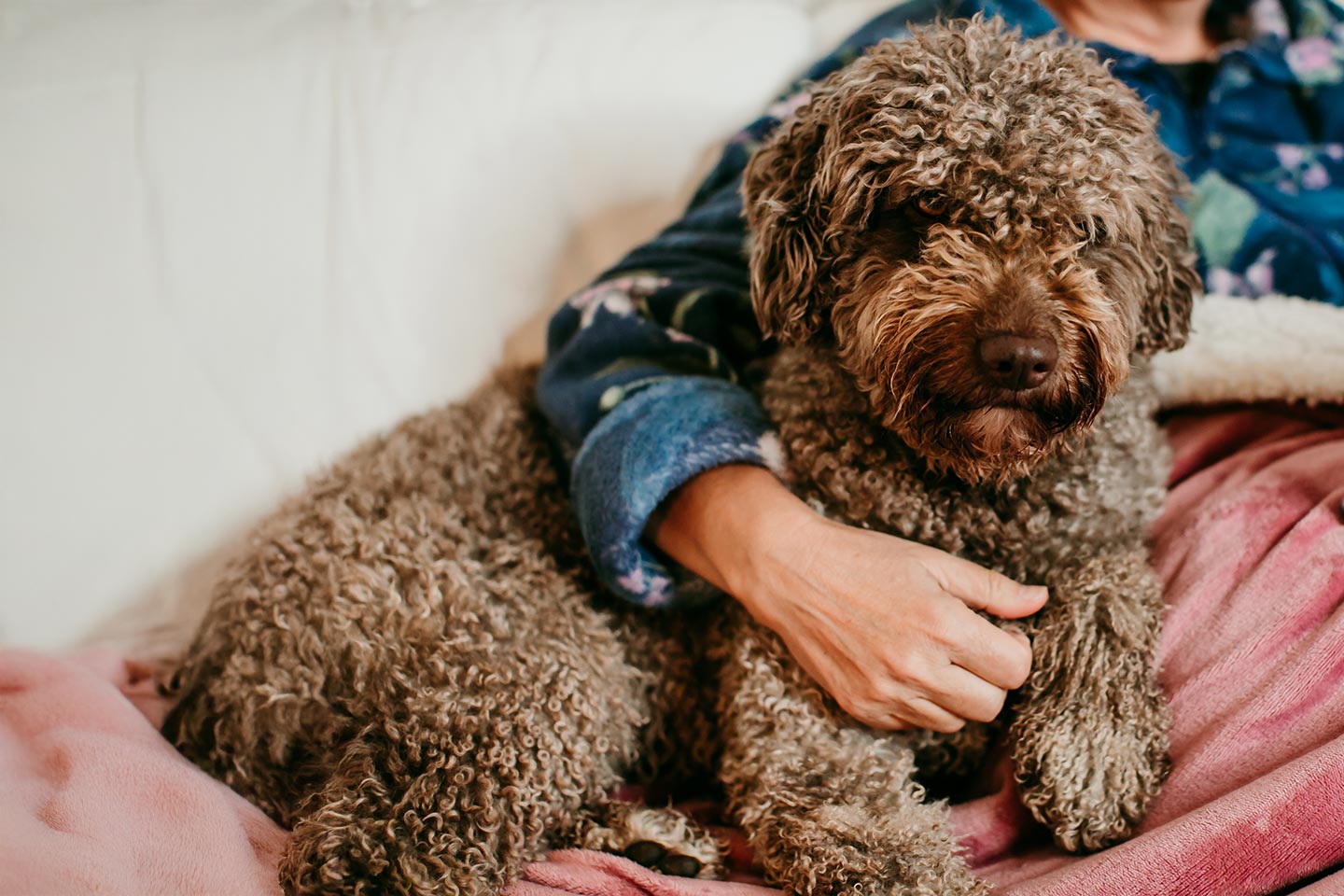
Everyone enjoys benefits when they keep a pet, but for older people they are particularly positive.
Top 3 messages about having pets when you’re older:
Pets can provide you with emotional, social and health benefits, but to avoid problems, you should also consider the drawbacks.
Restrictions around older people keeping pets in retirement, strata and aged care living environments are increasingly under review.
Support organisations and programs exist to help you maintain your pet’s care and provide for their future.
For older Australians, pets can offer priceless emotional support and health benefits. Simply patting or talking to your pet can lower stress and blood pressure levels one tail wag or purr at a time. On top of uncomplicated company and affection, pets also bring a trove of other benefits to our homes.
However, keeping a pet can have its drawbacks, especially for older people. To avoid having to surrender your pet – or causing yourself difficulties – it’s wise to consider all the potential negatives as well as the positives.
The benefits of older people keeping pets
Everyone enjoys benefits when they keep a pet, but for older people they are particularly positive. The benefits include:
companionship and emotional wellbeing: Companionship from a dog, cat, bird or other pet can help reduce feelings of loneliness, anxiety and depression in older Australians. A 2019 study in Aging & Mental Health journal found a direct link between improved wellbeing and pets in older community-dwelling adults, which suggests that the sense of purpose and structure our pets provide can be measured against health-related outcomes.
physical health: One American Heart Association study discovered that active pet owners get up to 22 minutes more exercise a day than people without animal company. A University of Queensland review in Clinical Gerontologist reported that all pets can help lower blood pressure and ease symptoms of dementia. And an Australian study over a 4-year period found that dog owners were less likely to die than people without dogs, due to the associated exercise!
social connection: Over 85% of Australian pet owners say their animals positively impact wellbeing, according to Animal Medicines Australia’s 2022 Pets in Australia report. Clearly, healthy ageing goes beyond exercise and self-care; connection is key.
Risks and challenges of pet ownership
While the benefits are real, pet ownership in later life can present physical risks and practical challenges that shouldn’t be overlooked. Here are some factors to consider.
Tripping hazards and physical strain: Some animals (especially excitable dogs) might jump up, scratch you or pull you over, spelling trouble for those with fragile skin, mobility issues or assistive devices. Precautions – like a night light to reveal a pet sprawled in the middle of the floor, or obedience training – can reduce these risks.
Health risks: Zoonotic diseases are infectious diseases that can be passed from animals to humans (for example, toxoplasmosis). Washing hands after cleaning up pet waste and staying up to date with your pet’s vaccinations and parasite control are important for your safety as well as your pet’s. Allergies and respiratory issues can also cause problems. If you struggle with any pet hair allergies, consider birds, fish or low-shedding dog breeds, like the Cavoodle.
Financial and care responsibilities: Pets depend on us for daily care, veterinary check-ups and more. Some of the responsibilities that can become harder with age include (but aren’t limited to):
daily walks, which might be difficult if you tire easily or have joint pain
bending to clean a litter box or lifting a bag of pet food, which can strain weak muscles
meeting vet bills and pet food costs, which can put pressure on a fixed retirement income.
Emotional stress and grief: Research on pet bereavement notes that grief over losing a pet is comparable to grieving a human loved one, largely because owners see pets as family and attribute human-like qualities to them. And grief isn’t the only emotion to consider. If pet care becomes too demanding for you to manage, you may feel guilty or stressed because you’re worried about what will happen to your best friend. This can be especially true if you find yourself delaying their medical care.
If you’re considering getting a pet, it’s important to realistically assess whether you can meet its needs now and in the future. Many community programs, and even neighbours or family, can assist with pet care so you’re not overwhelmed.
Housing and legal rights
Did you know that only 18% of aged care facilities in Australia currently permit residents to keep pets?
Older Australians may have been told they can’t keep pets in rentals, apartments or retirement villages, but that’s changing. Legal reforms across Australia increasingly recognise the emotional and health benefits of pet ownership in later life.
The good news? Awareness of this issue is growing, and advocates are pushing for more pet-friendly aged care options. One survey found 95% of people believe that pets improve health outcomes for older people, underscoring public support for allowing pets in older people’s living environments.
Signs of positive change
In New South Wales, a major legal case in 2020 (Cooper v The Owners – Strata Plan No. 58068) ruled that blanket bans on pets in strata housing were ‘harsh and oppressive’. Since then, NSW law has been updated to ensure pets can only be restricted if they cause actual problems (such as excessive noise or danger to others). Victoria and Queensland have followed suit with tenancy reforms that discourage blanket bans.
In Victoria, the 2025 Retirement Villages Amendment Bill makes it illegal to ‘unreasonably limit’ pet ownership, reflecting strong public sentiment. In many cases, a quiet pet – like a senior dog or indoor cat – may now be allowed even where policies once said no.
What the law says about pets for older people
Location | Strata/rental protections | Aged care pet policies |
NSW | Strata schemes cannot enforce blanket pet bans (Cooper v Strata Plan 58068, 2020) | Limited facilities allow pets; case-by-case discretion |
VIC | Rental laws restrict unreasonable pet bans (since March 2020); Retirement Villages Amendment Bill (2025) enhances protections | Improving under new reforms; facilities still vary in rules |
QLD | Pet bans allowed unless tenant gets written permission; pet bond may be required | Few facilities allow pets; mostly visiting programs |
WA | No general ban on pets, but landlords can refuse with justification; some retirement villages are pet-friendly | Some aged care services permit pets with care planning |
SA | Pets allowed in rentals with written consent; strata rules vary | Rare in aged care homes; support varies by provider |
TAS | Landlords can refuse pets; no blanket protection in retirement homes | Minimal support for pets in care; rehoming common |
ACT | Reasonable pet requests must be considered; refusal must be justified | Some flexibility; visiting pet programs more common |
NT | Pet ownership not broadly protected in rentals or aged care; policies vary widely | Very limited; facilities may arrange pet therapy visits |
If you’re told ‘no pets,’ you may have the right to challenge it, depending on where in Australia you live and what residential environment you’re in. Advocacy groups, like Seniors Rights Service, Advocare and Elder Abuse Helpline, can help.
Find out which aged care facilities support pet ownership
Planning ahead for pet care
Planning ahead isn’t only important for your own care, it matters for your pets too. Here are tips for making sure they will be safe, loved and looked after.
Include your pet in your will or advance care plan so there’s no confusion about who should care for them. It’s also a good idea to nominate a trusted friend or family member who’s happy to step in if needed.
Maintain a pet file that records daily routines, food preferences, comfort items and toys, medications and your vet’s contact details. Sharing these details with your family, friends or carers can make all the difference in an emergency.
The RSPCA’s Home Ever After program is designed for older Australians making long-term care plans for their animals. It offers peace of mind for people who are ageing or ill or who simply want to know their companion will be safe, no matter what.
Worried about leaving your pet behind? Learn more about what happens to your pet when you die.
Support services and programs
Australia has a growing number of support programs and services designed to help older pet owners care for their animals. These range from volunteer-based services that assist with day-to-day pet care to formal programs by animal welfare organisations that provide emergency pet care or future rehoming guarantees.
Location | Support options |
NSW | RSPCA NSW Home Ever After and Community Aged Care Program |
QLD | Animal Welfare League Queensland Golden Hearts Seniors Pet Support and Legacy Pets Program |
VIC | Lort Smith Animal Hospital Emergency Welfare Assistance RSPCA Victoria Home Ever After Local council pet support programs |
SA | RSPCA SA Home Ever After |
WA | RSPCA WA Home Ever After POOPS WA (Pets of Older Persons WA) |
TAS | Anglicare Tasmania Pet Passport RSPCA Tasmania Home Ever After |
NT | RSPCA NT Home Ever After |
ACT |
If you or someone you know is being pressured to surrender a pet against their will, this may be a rights issue. Contact the national Elder Abuse Helpline on 1800 ELDERHelp (1800 353 374) for advice and support.
Where to find more help
Seniors Rights Service in your state or territory
About the Author

Compass
Compass
Compass is a national website created to help older Australians navigate the complex is...
All comments are moderated. Please visit our terms of use for guidance on how to engage with our community.